
Oral Surgery in Chester, NJ
Surgical Care Focused on Function, Comfort, and Long-Term Outcomes
At Chester Smiles Dentistry, oral surgery is approached with careful planning and a strong emphasis on preserving overall oral health. Whether addressing damaged teeth, structural concerns, or preparing for future treatment, each procedure is performed with attention to precision, comfort, and long-term stability.
Oral surgical care from Dr. Michael Masino, DMD supports patients in Chester, Mendham, Long Valley, Randolph, Hackettstown, and surrounding communities with solutions designed to resolve issues while maintaining a clear path forward for continued care.
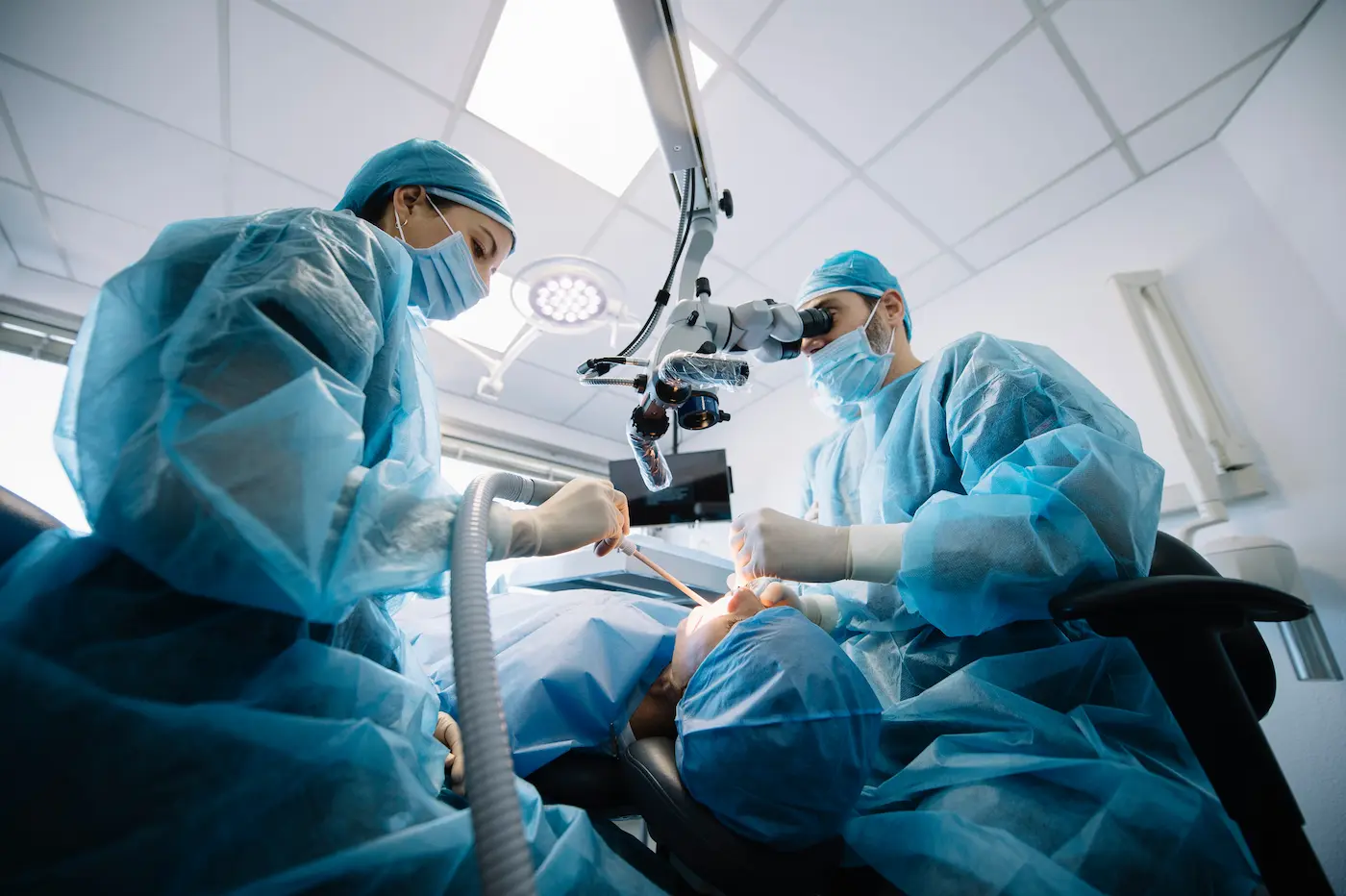
What Is Oral Surgery?
Oral surgery includes procedures that treat conditions affecting the teeth, gums, jaw, and surrounding structures. These treatments are often recommended when non-surgical options are no longer sufficient to address the issue.
Oral surgery may be used to:
- Remove teeth that cannot be preserved
- Address infection or structural concerns
- Prepare the mouth for restorative treatment
- Support long-term oral health and function
When Oral Surgery Is Recommended
Surgical treatment is considered when underlying conditions require a more direct approach.
Common reasons include:
- Severely damaged or non-restorable teeth
- Impacted or problematic teeth
- Advanced infection affecting bone or surrounding tissue
- Preparation for procedures such as Bone Grafting
- Creating a stable foundation for future Dental Implants
Each recommendation is based on a detailed evaluation of your oral health.
Types of Oral Surgery Procedures
Oral surgery can involve a range of procedures depending on your specific needs.
These may include:
- Tooth removal, including complex or surgical extractions
- Treatment of infection within the jaw or surrounding tissue
- Preparatory procedures for restorative or implant-based care
- Structural adjustments to support long-term function
Related services such as Tooth Extractions may also be part of your treatment plan.
A Structured Approach to Surgical Care
Every surgical procedure begins with thorough diagnostics and planning to ensure safety and predictability.
This process typically includes:
- Detailed imaging using tools such as 3D CT Scanning
- Evaluation of surrounding structures and overall oral health
- Clear explanation of the procedure and expected outcomes
- Coordination with other phases of treatment when needed
This level of planning supports both immediate results and long-term success.
Comfort-Focused Treatment Experience
Patient comfort is a central part of oral surgery. Each step is carefully managed to ensure a controlled and supportive experience.
This includes:
- Local anesthesia to maintain comfort during the procedure
- Clear communication before, during, and after treatment
- Detailed post-operative instructions for recovery
The goal is to make the process as straightforward and manageable as possible.
Supporting Long-Term Treatment Goals
Oral surgery is often one phase of a broader care plan. Addressing underlying issues allows for more predictable and durable results in future treatment.
This may include:
- Preparing for Restorative Dentistry
- Supporting implant-based solutions such as overdentures or bridges
- Creating conditions for improved function and stability
While implant placement will be offered in the future, current care includes restoring and planning implant-related cases with a focus on long-term outcomes.
Healing and Recovery
Recovery is an important part of the surgical process. Following post-operative instructions helps ensure proper healing and minimizes complications.
To support recovery:
- Follow all aftercare guidelines provided
- Allow time for proper healing before additional treatment
- Maintain oral hygiene as instructed
- Attend follow-up visits such as Dental Cleanings & Exams
Healing timelines vary depending on the procedure and individual factors.
Frequently Asked Questions
Is oral surgery painful?
Procedures are performed with local anesthesia to ensure comfort during treatment.
How long does recovery take?
Recovery time depends on the type of procedure, but most patients return to normal activities within a few days to a week.
Will I need time off after oral surgery?
This varies by procedure, though some rest is typically recommended immediately afterward.
Are there risks with oral surgery?
As with any procedure, there are risks, but careful planning and follow-up help minimize them.
What happens after healing is complete?
Once healing is complete, the next phase of treatment—if needed—can begin.


Request Your Oral Surgery Consultation
If you have been advised to consider oral surgery or are experiencing a condition that may require it, a detailed evaluation can help determine the most appropriate next step.