
Bone Grafting in Chester, NJ
Rebuilding Bone Structure for Long-Term Oral Stability
At Chester Smiles Dentistry, bone grafting is used to restore and strengthen areas of the jaw where bone loss has occurred. This procedure plays an important role in preparing for future restorative treatment while also supporting overall oral health and structural integrity.
Bone grafting procedures with Dr. Michael Masino, DMD help individuals in Chester, Mendham, Long Valley, Randolph, Hackettstown, and surrounding communities rebuild a stable foundation for long-term function and treatment success.
What Is Bone Grafting?
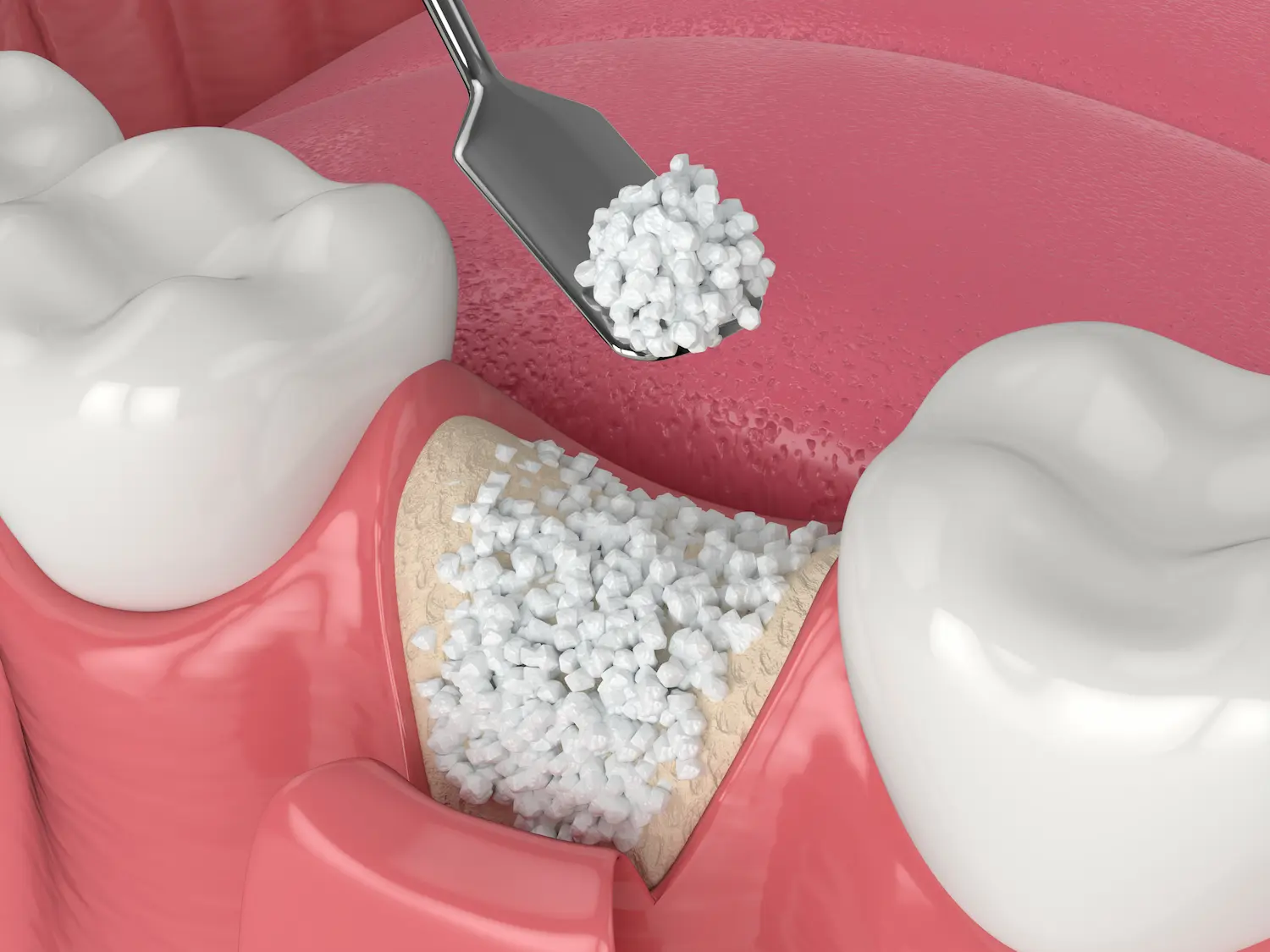
Bone grafting is a procedure that rebuilds or replaces missing bone in the jaw. It involves placing grafting material in areas where bone has deteriorated, allowing new bone to develop over time.
This process helps:
- Restore lost bone volume
- Strengthen the jaw structure
- Support future restorative treatments
- Maintain facial contours and alignment
Why Bone Loss Occurs
Bone loss in the jaw can develop for several reasons, often progressing gradually over time.
Common causes include:
- Missing teeth without replacement
- Advanced gum disease
- Infection or trauma
- Long-term denture wear without support
Without intervention, bone loss can affect both function and the ability to pursue certain treatments.
When Bone Grafting Is Recommended
Bone grafting is often recommended when additional support is needed before or during restorative care.
It may be used for:
- Preparing for future Dental Implants
- Strengthening areas affected by bone deterioration
- Supporting full-arch solutions such as All-on-Four Dental Implants
- Enhancing stability for implant-based restorations
Although implant placement will be available in the future, current care focuses on preparing and restoring cases to ensure long-term success.
The Bone Grafting Process
Bone grafting is performed with careful planning to support healing and integration.
The process typically includes:
- Evaluation using advanced imaging such as 3D CT Scanning
- Placement of grafting material in the targeted area
- Healing period to allow new bone formation
- Re-evaluation to determine readiness for further treatment
Each step is approached with precision to ensure predictable outcomes.
Benefits of Bone Grafting
Bone grafting supports both immediate and long-term oral health goals.
- Rebuilds bone structure for improved stability
- Expands treatment options for future care
- Helps maintain facial structure
- Supports long-term success of restorative treatments
Patients in Chester, Mendham, Long Valley, Randolph, Hackettstown, and nearby areas benefit from a more complete and stable foundation for care.
A Foundational Step in Comprehensive Treatment
Bone grafting is often part of a larger treatment plan designed to restore both function and structure. By addressing underlying bone deficiencies, this procedure allows for more predictable and durable results.
It may be integrated with:
- Restorative Dentistry for long-term planning
- Implant Supported Dentures for improved stability
- Implant Overdentures as part of a phased approach
This ensures that all aspects of care are aligned.
Healing and Aftercare
Proper healing is essential for successful bone grafting.
To support recovery:
- Follow all post-procedure care instructions
- Avoid pressure on the treated area
- Maintain good oral hygiene
- Attend follow-up visits such as Dental Cleanings & Exams
Healing timelines vary depending on the extent of the graft and individual factors.
Frequently Asked Questions
How long does bone grafting take to heal?
Healing time varies, but several months are typically needed for full integration.
Is bone grafting necessary for dental implants?
In some cases, sufficient bone is required to support implants, making grafting an important step.
Is the procedure uncomfortable?
The process is carefully managed for comfort, with detailed aftercare instructions provided.
Can bone loss be prevented?
Maintaining oral health and replacing missing teeth promptly can help reduce bone loss.
What happens after the bone graft heals?
Once healing is complete, the area can be evaluated for further restorative treatment.


Request Your Bone Grafting Consultation
If you have experienced bone loss or are planning for future restorative treatment, bone grafting can help rebuild the foundation needed for long-term success.